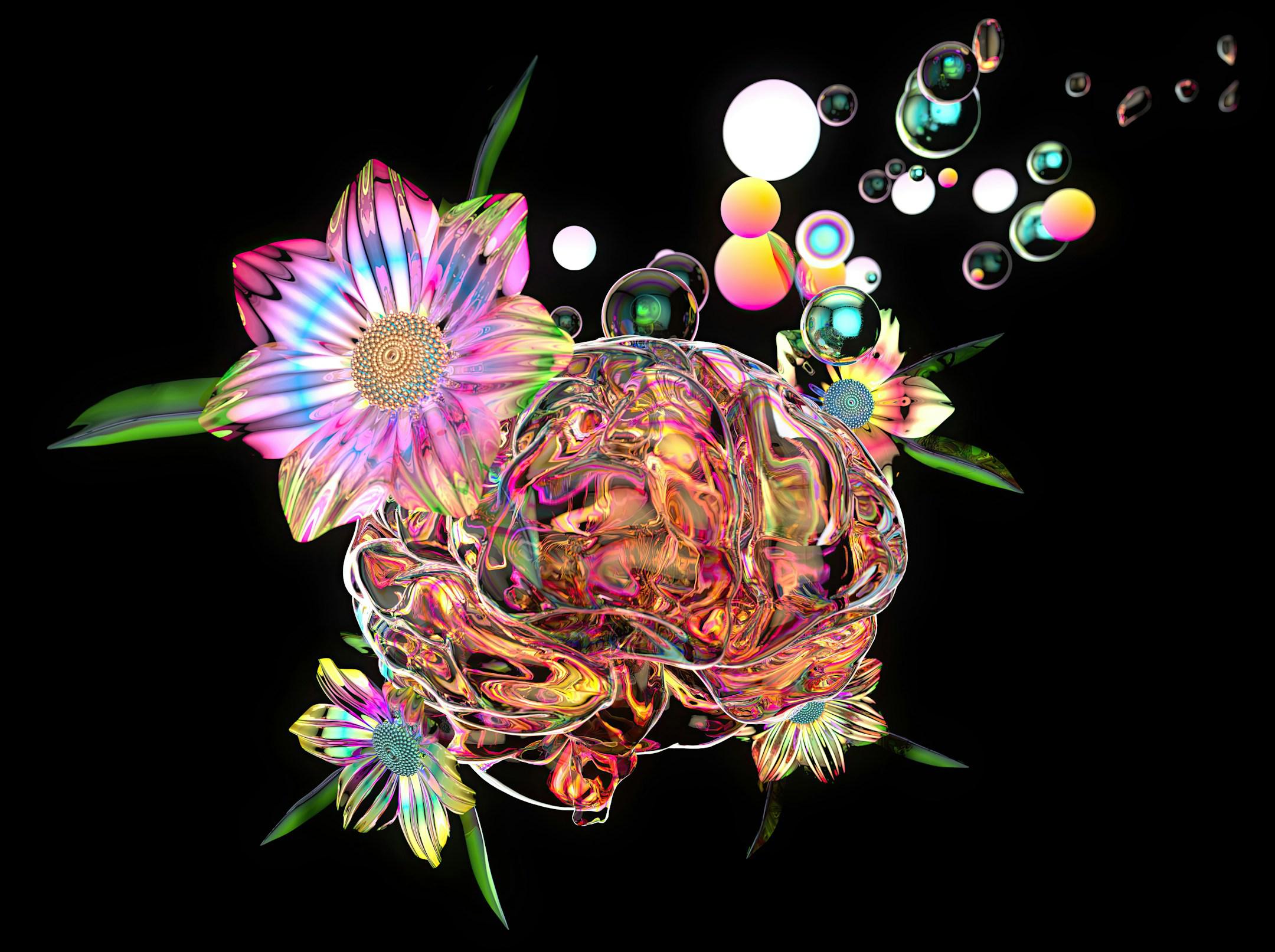
In today's rapidly evolving world, the intersection of technology and creativity has given rise to a new frontier of artistic expression. Discover how AI transforms the creative process by streamlining workflows, enhancing inspiration, and enabling artists to explore uncharted territories in their work. From generating stunning visuals to composing intricate melodies, AI tools empower creators to push the boundaries of their imagination, revolutionizing the way we understand and appreciate art.
As we delve deeper into this fascinating topic, we will explore how blending technology with artistic expression fosters innovative collaborations that were once thought impossible. Real-world examples abound, showcasing how AI is reshaping not only the techniques used by artists but also the very definition of creativity itself. Join us on this journey to uncover the magic of AI in creativity, and see how it continues to transform the creative landscape for artists of all disciplines.
Discover how AI transforms the creative process
AI revolutionizes the creative process by streamlining tasks and unlocking new possibilities for artists, writers, and musicians. With powerful algorithms and machine learning capabilities, AI tools can analyze vast amounts of data, providing insights that inspire new ideas. For instance, AI can assist in brainstorming sessions by generating prompts or concepts based on a creator’s previous works. This collaborative synergy between human creativity and artificial intelligence not only enhances productivity but also expands the horizons of artistic exploration.
Moreover, AI enables creators to experiment with styles and formats that may have seemed out of reach. By employing techniques such as neural networks, artists can blend different artistic styles or even develop entirely new aesthetics. This transformation is evident in music composition, where AI-generated melodies can inspire musicians to craft unique soundscapes, often leading to groundbreaking collaborations. As a result, AI is not just a tool; it serves as a partner in the creative journey, helping to push the boundaries of what is achievable in the arts.
Blending technology with artistic expression
As artificial intelligence continues to evolve, it seamlessly merges with the realm of artistic expression, expanding the boundaries of creativity. Artists now utilize AI tools to generate innovative ideas, experiment with unique styles, and enhance their creative processes. By leveraging algorithms and machine learning, creators can explore uncharted territories in music, visual art, and literature, producing masterpieces that reflect a captivating blend of human intuition and technological precision. This synergy not only amplifies the artist's vision but also invites audiences to experience art in transformative ways, igniting discussions about the nature of creativity itself.
Moreover, the collaboration between artists and AI fosters a dynamic dialogue, encouraging new forms of storytelling and artistic interpretations. Musicians can partner with AI programs to compose original scores that blend various genres or create entirely new sounds. Visual artists experiment with generative art, utilizing AI to manipulate colors and shapes in ways that captivate viewers. In writing, authors harness AI's capabilities to generate plot ideas or suggest character development, pushing the boundaries of narrative exploration. These creative partnerships illustrate how AI does not merely serve as a tool but rather enriches the creative landscape, inspiring artists to push their limits and redefine what it means to create art in the modern age.
Real-world examples of AI in creative fields
AI is making significant strides across various creative fields, reshaping how artists, musicians, and writers approach their craft. For instance, in the music industry, platforms like AIVA (Artificial Intelligence Virtual Artist) compose original pieces by analyzing vast datasets of existing music. This AI tool not only helps musicians overcome creative blocks but also provides a fresh perspective on composition, enabling them to explore new genres and styles. Similarly, visual artists are using AI-driven tools such as DALL-E and DeepArt to generate unique visual content, pushing the boundaries of traditional art forms and sparking innovative collaborations between human artists and artificial intelligence.
In the realm of literature, AI is proving its prowess by assisting authors in generating ideas and even writing stories. Projects like OpenAI’s GPT-3 can produce coherent and compelling narratives, with some writers using AI as a brainstorming partner or co-author. This technology allows for endless possibilities, challenging the notion of authorship and raising intriguing questions about creativity itself. As these real-world examples illustrate, AI is not just a tool but a transformative force that empowers creatives, enabling them to explore uncharted territories in their artistic endeavors. Through the collaboration of technology and human ingenuity, we witness the magic of AI reshaping our creative landscape.